

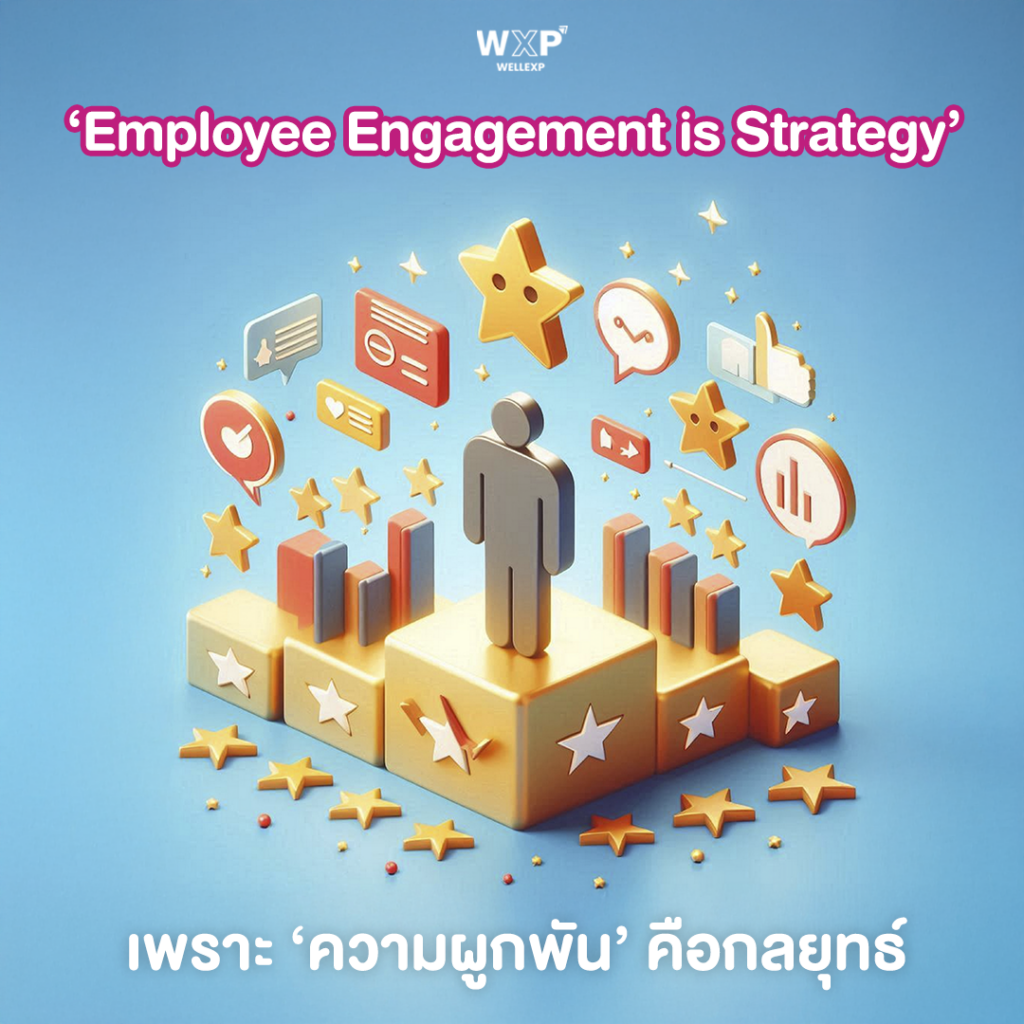
Strong Engagement
must stand on 4 Critical Pillars:
1. Retention & Talent Density
💬 Is it true that engagement helps prevent "invisible costs"? Losing one top performer can cost an organization 1.5–2x the employee’s annual salary, including recruitment costs, onboarding and training, and lost business opportunities.
Engagement creates a "pull effect" that makes top talent want to stay longer. Employees remain committed when they feel this is a place where they can perform at their best and fully realize their potential.
2. Discretionary Effort
Going the Extra Mile by Choice, Not Obligation
This is what separates organizations that are "just getting by" from those that consistently exceed expectations.
Highly engaged employees contribute discretionary effort — the willingness to do more than what is written in the job description, such as proactively solving customer problems or suggesting improvements without being asked.
3. Organizational Agility to Adapt and Change
In a world where technologies like AI evolve rapidly, organizations must continuously adapt.
Disengaged employees tend to resist change, while engaged employees have trust in leadership and are willing to transform together.
Engagement is the "solid foundation" that allows organizations to remain flexible and resilient in the face of market disruption.
4. Customer Impact & Brand Identity
Employee Experience = Customer Experience
What employees feel is what customers ultimately experience. Unhappy employees cannot deliver outstanding customer experiences. Engagement directly impacts customer satisfaction (NPS) and brand perception.
Employees are the strongest brand ambassadors. Investing in engagement is a long-term strategy that fosters loyalty, commitment, and performance beyond expectations.
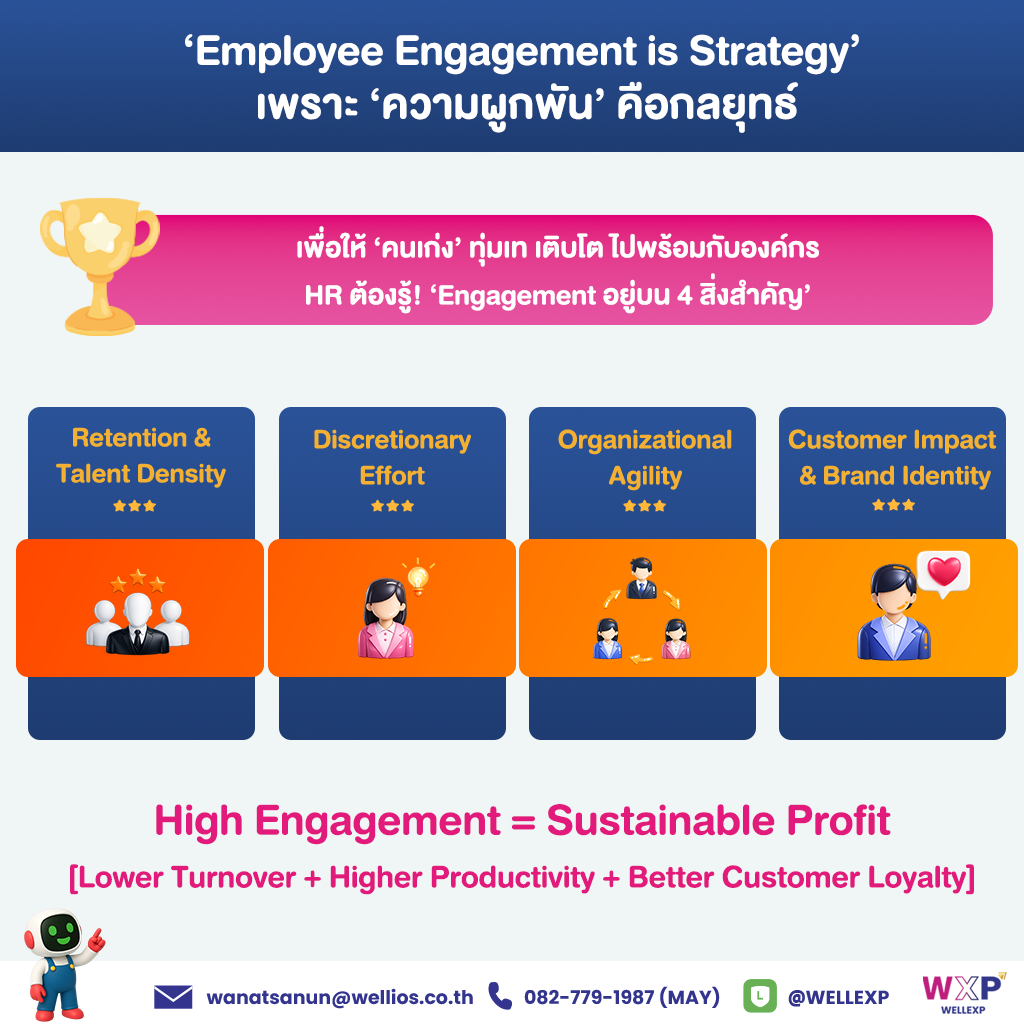
 High Engagement = Sustainable Profit
 Instead of asking:
"Where should we organize this year’s company outing?"
💬 Leaders should ask strategic questions such as:
"Do our current systems energize or drain our top talent?"
"Do employees clearly see the meaning and impact of their work?"
"Do we have tools that reduce repetitive work so people can focus on what they truly enjoy and excel at?"
References:
About Discretionary Effort (Aubrey Daniels & Gallup) show that organizations with high engagement achieve up to 18% higher productivity and 23% higher profitability, driven by employees’ willingness to go beyond their formal roles.
About Talent Density From No Rules Rules, Netflix explains that the most powerful engagement driver for top talent is not activities, but working alongside highly capable peers who are deeply aligned with the same goals.
.