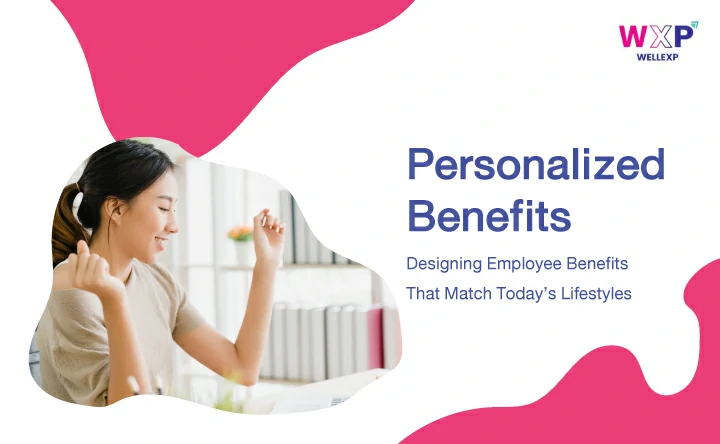
In today’s workforce, every employee has unique needs, responsibilities, and lifestyles. This makes one-size-fits-all benefits no longer effective. Modern employees expect welfare that are flexible, selectable, and aligned with their real-life situations—not just basic health insurance or statutory leave.
As a result, many organizations are shifting to Personalized Benefits, or benefits tailored to individual needs. This approach enhances the employee experience, builds long-term engagement, and positions the organization as an employer of choice—especially in an era where employees choose organizations just as much as organizations choose employees.
What Are Personalized Benefits?
Personalized Benefits refer to a benefits design approach that recognizes the diverse needs of employees across different life stages—from first-jobbers, working parents, to employees nearing retirement. Each group has distinct priorities.
Allowing employees to “choose what fits them” not only increases satisfaction but also enhances performance and overall engagement.
Digital platforms like WellExp make Personalized Benefits easier to manage, more transparent, and accessible in one centralized system.
Examples of Personalized Benefits You Can Apply Immediately
1. Flexible Benefits Wallet
A digital benefits wallet that allows employees to allocate their budget based on their needs, such as:
- Gym memberships
- Upskilling or professional development courses
- Elderly care expenses
- Commuting costs or home-office equipment
This model expands benefits without increasing the organization’s overall budget.
2. Work-from-Anywhere / Hybrid Working
Flexible work arrangements that support modern lifestyles, improve work-life balance, and help employees maintain energy and productivity.
3. Mental Health Support
Accessible mental wellness services such as:
These services provide private, convenient support and help prevent burnout.
4. Learning & Development on Demand
Employees can choose learning opportunities that match their career goals, such as:
This strengthens growth opportunities and aligns learning with individual aspirations.
5. Family-centric Care Packages
Benefits that support employees in their family roles, such as:
- Carer’s leave for children or elderly dependents
- Childcare allowances
- Family health insurance
These benefits reduce day-to-day burdens and enhance long-term commitment to the organization.
How to Start Implementing Personalized Benefits in Your Organization
1. Conduct Employee Surveys
Gather real insights on what different employee groups truly need.
2. Segment Employees by Life Stage & Lifestyle
For example:
- Gen Z
- Working parents
- Employees nearing retirement
This makes it easier to design benefit options that are relevant and meaningful.
3. Use a Flexible Benefits Management Platform
Platforms like WellExp allow employees to select, manage, and use their benefits effortlessly within a single system—reducing HR workload and improving transparency.
Personalized Benefits: The Future of Employee Well-being and Engagement
Good benefits do more than create a pleasant workplace—they reflect how deeply an organization understands and values its people.
In a competitive talent landscape, organizations that provide flexible, lifestyle-aligned benefits will gain employees’ trust and stand out in attracting high-quality talent.
With digital solutions like WellExp, implementing Personalized Benefits becomes simpler, more practical, and truly impactful—helping employees feel supported at every stage of their work-life journey.